Master of Fine Arts in Cinematic Arts and Creative Practice
(Revamped from the MFA in Film, Television and Digital Media from the 2026/27 Intake onwards)
Master of Fine Arts in Cinematic Arts and Creative Practice is a two-year, full-time programme designed to cultivate creative leaders in media production. Evolving from the previous three-year MFA in Film, Television and Digital Media, this newly restructured programme balances the essence of traditional filmmaking with the rapid advancement of cutting-edge technologies such as virtual production, virtual reality, and artificial intelligence.
The transition to a two-year format reflects our commitment to equipping students with both foundational cinematic skills and expertise in emerging digital practices, ensuring graduates are prepared to thrive in a dynamic media landscape. Through a rigorous curriculum, students develop artistic vision, social responsibility, and an international perspective, positioning them for successful careers as directors, screenwriters, producers, and other creative professionals in the media industry. The MFA degree also qualifies graduates to teach at the college level in select higher education institutions.
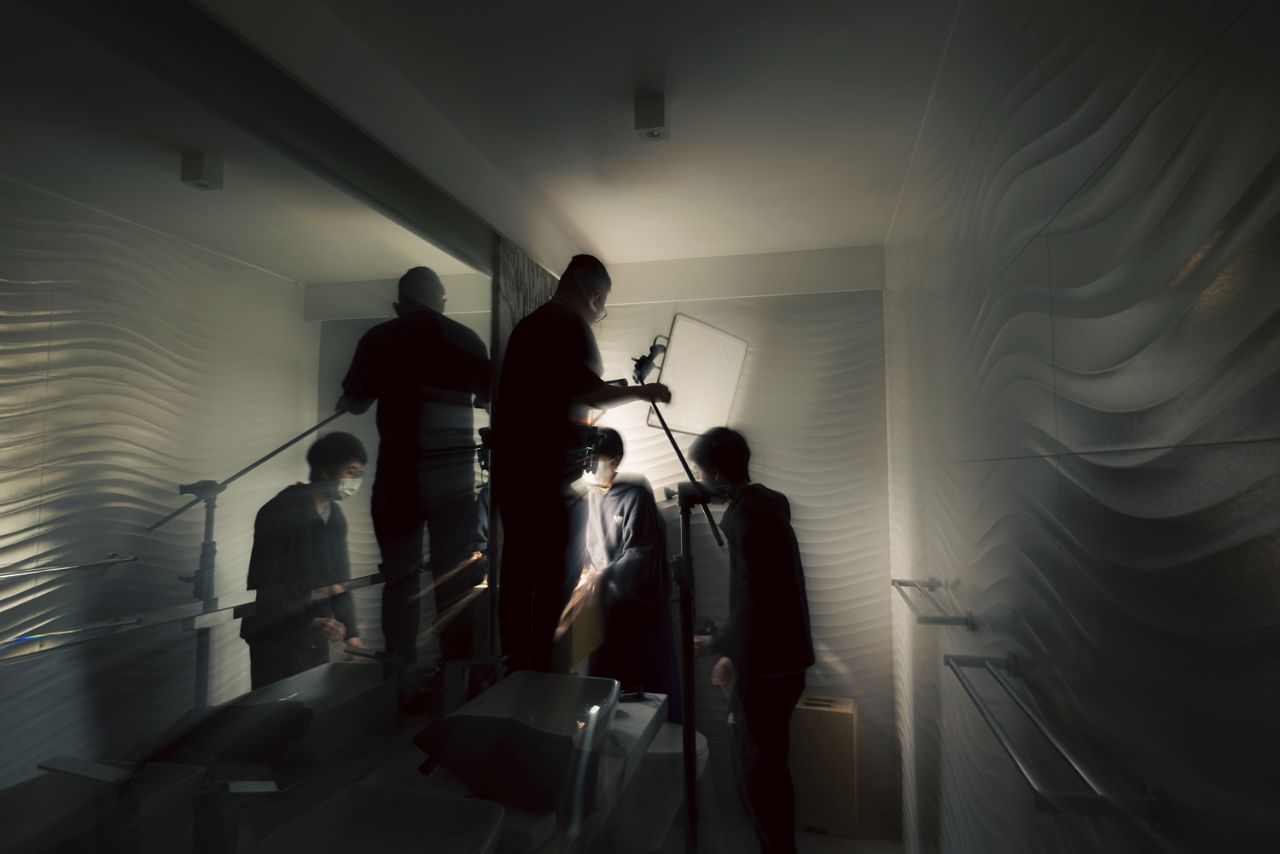
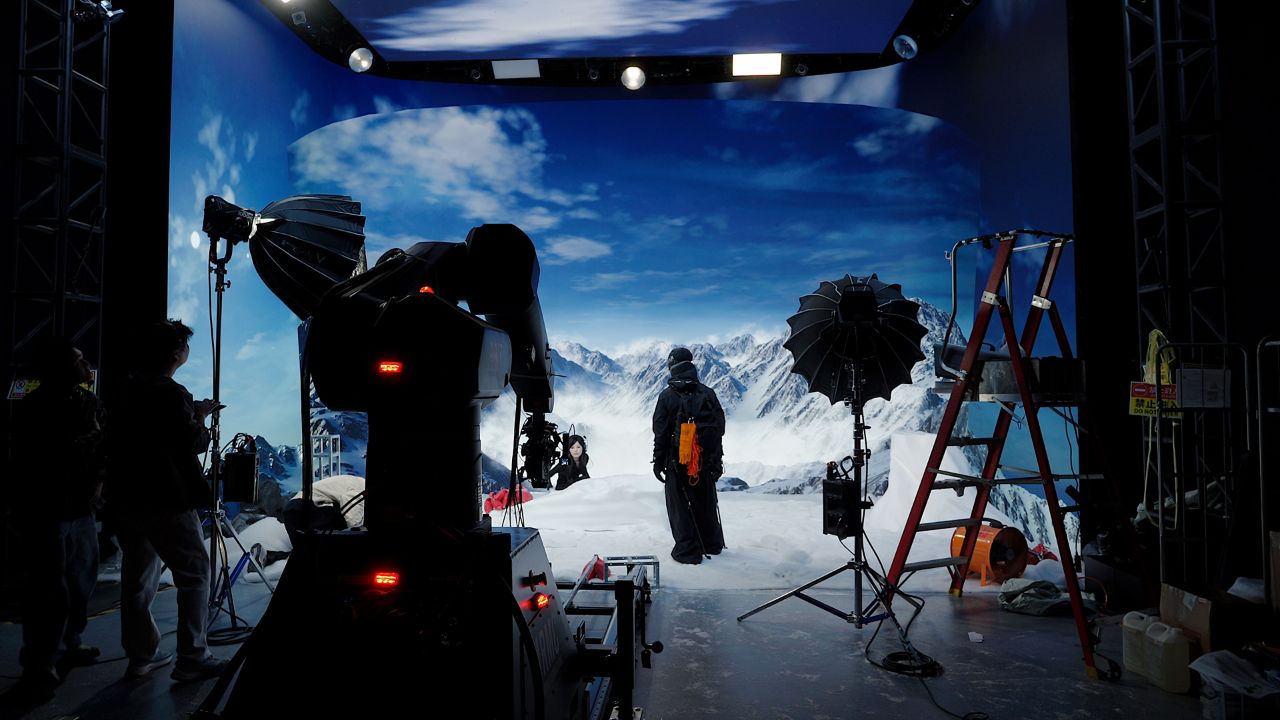
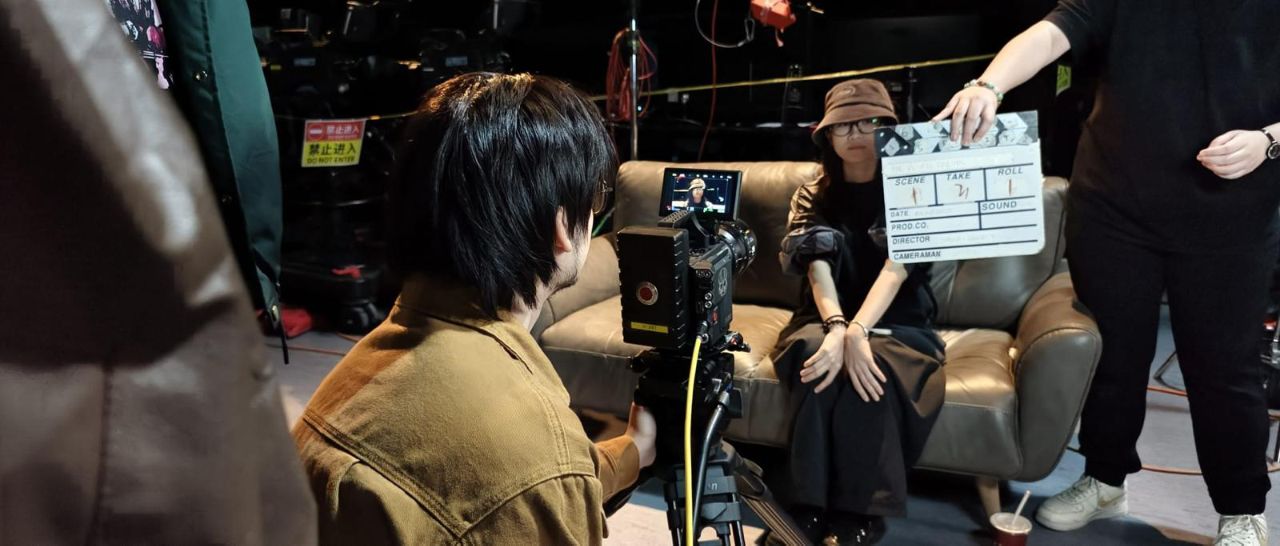
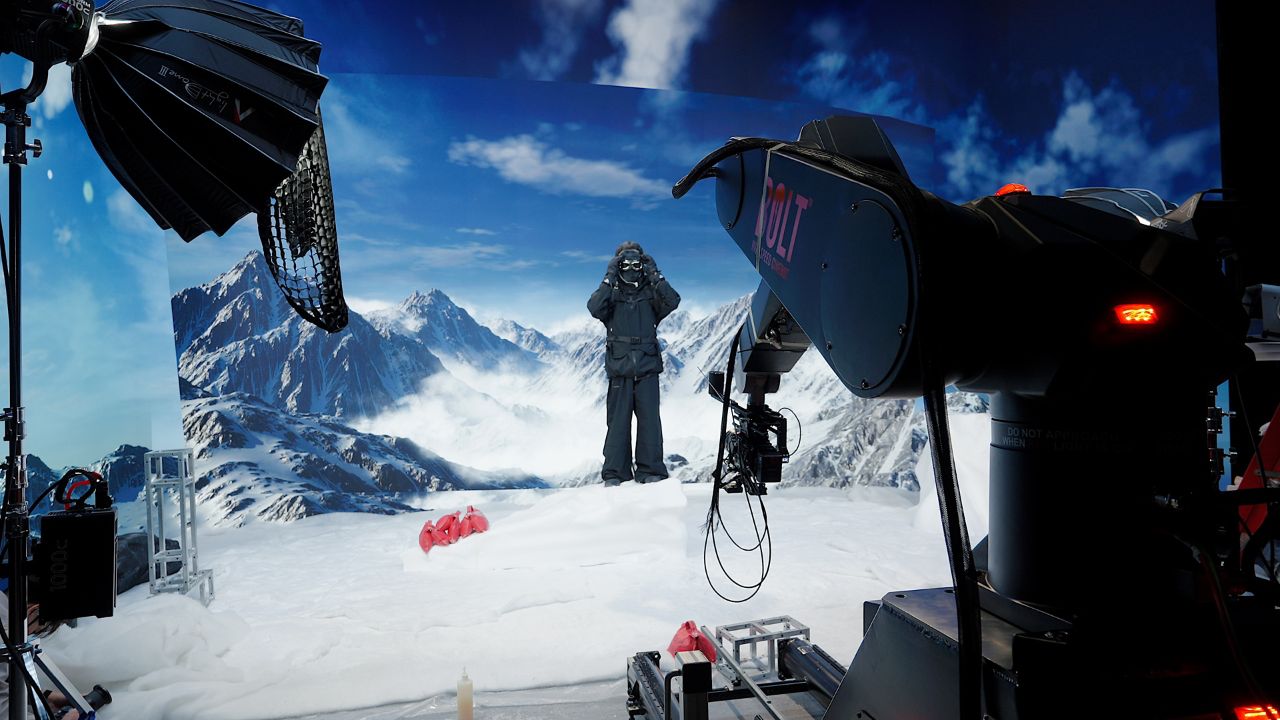
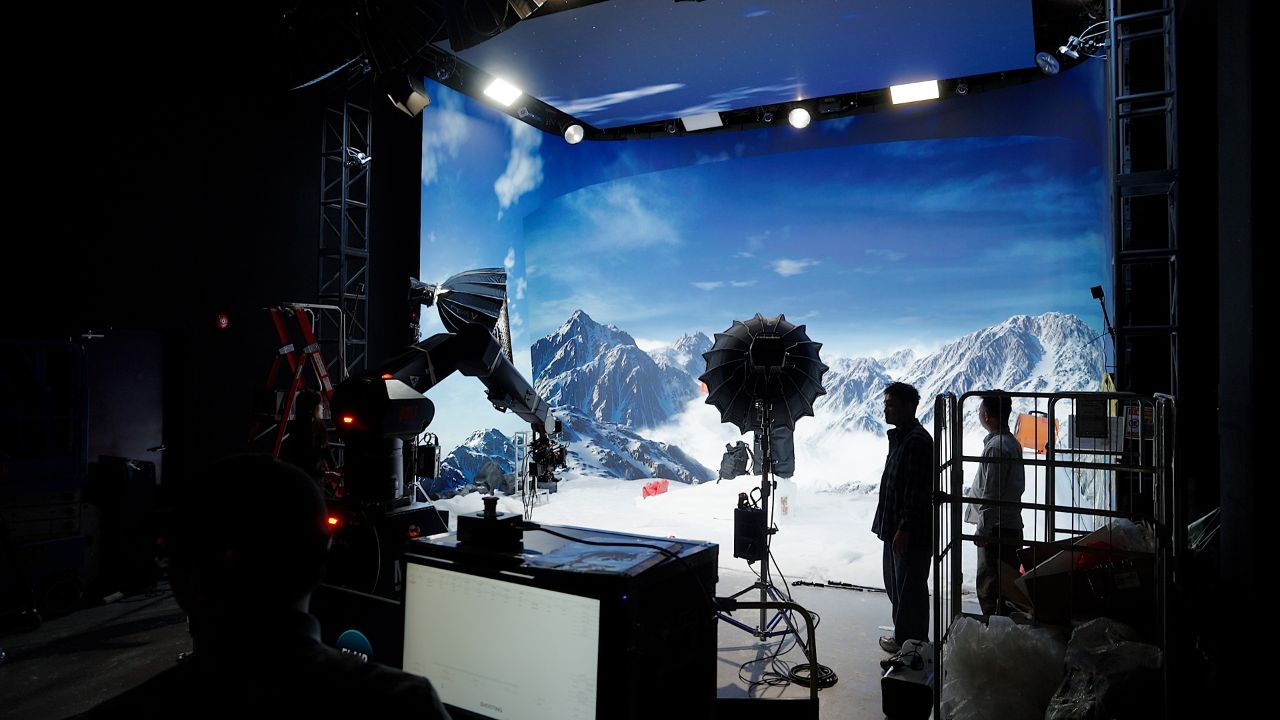
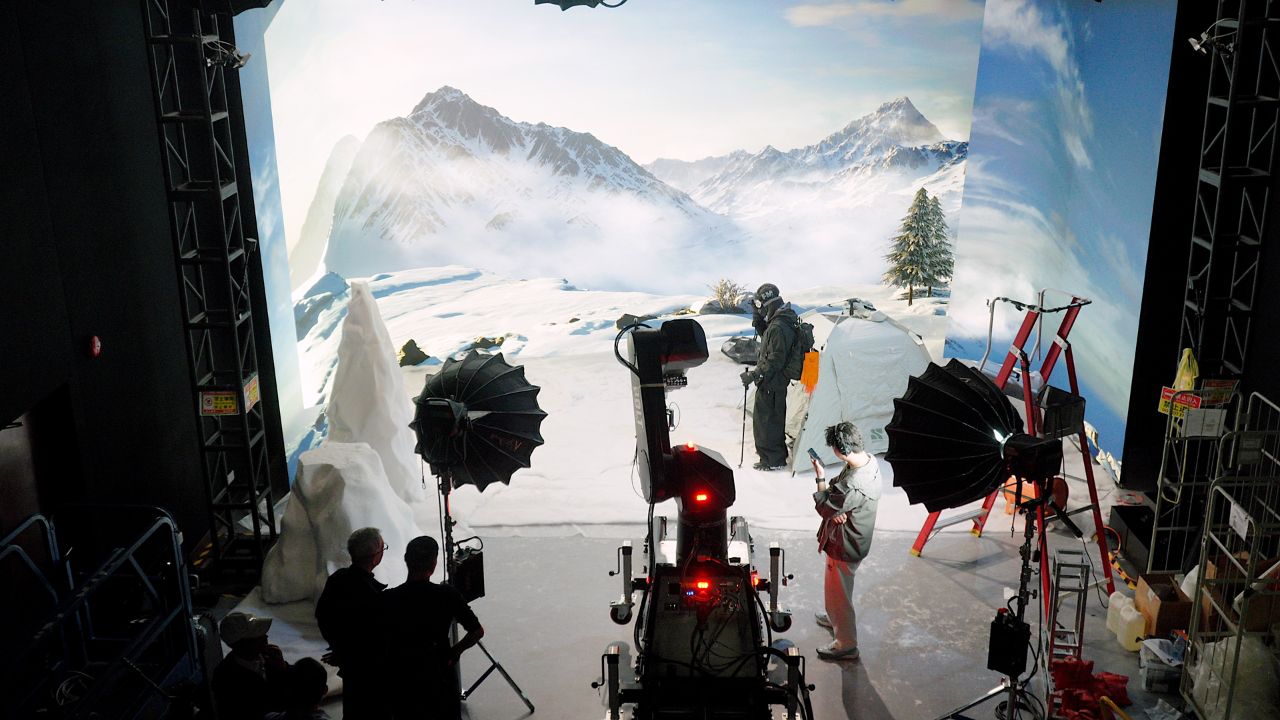
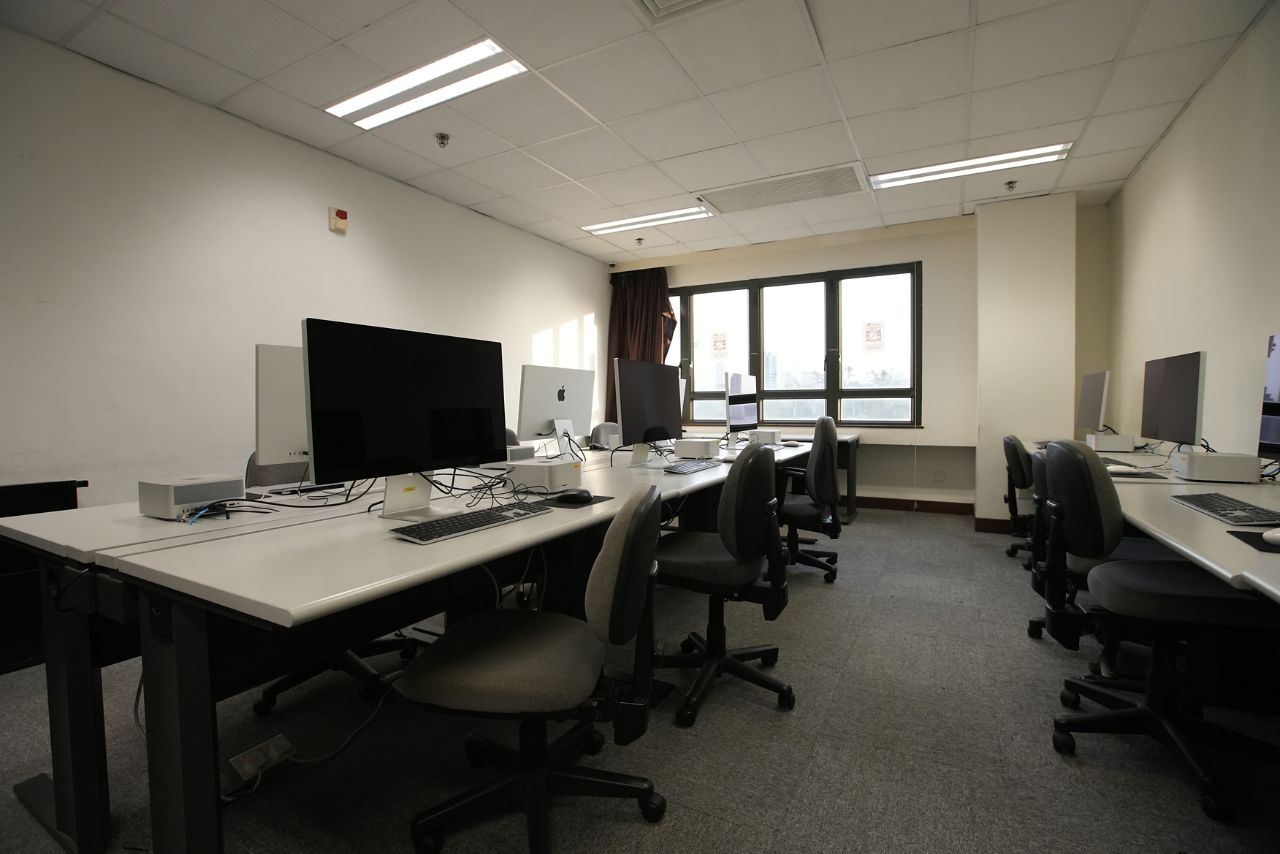
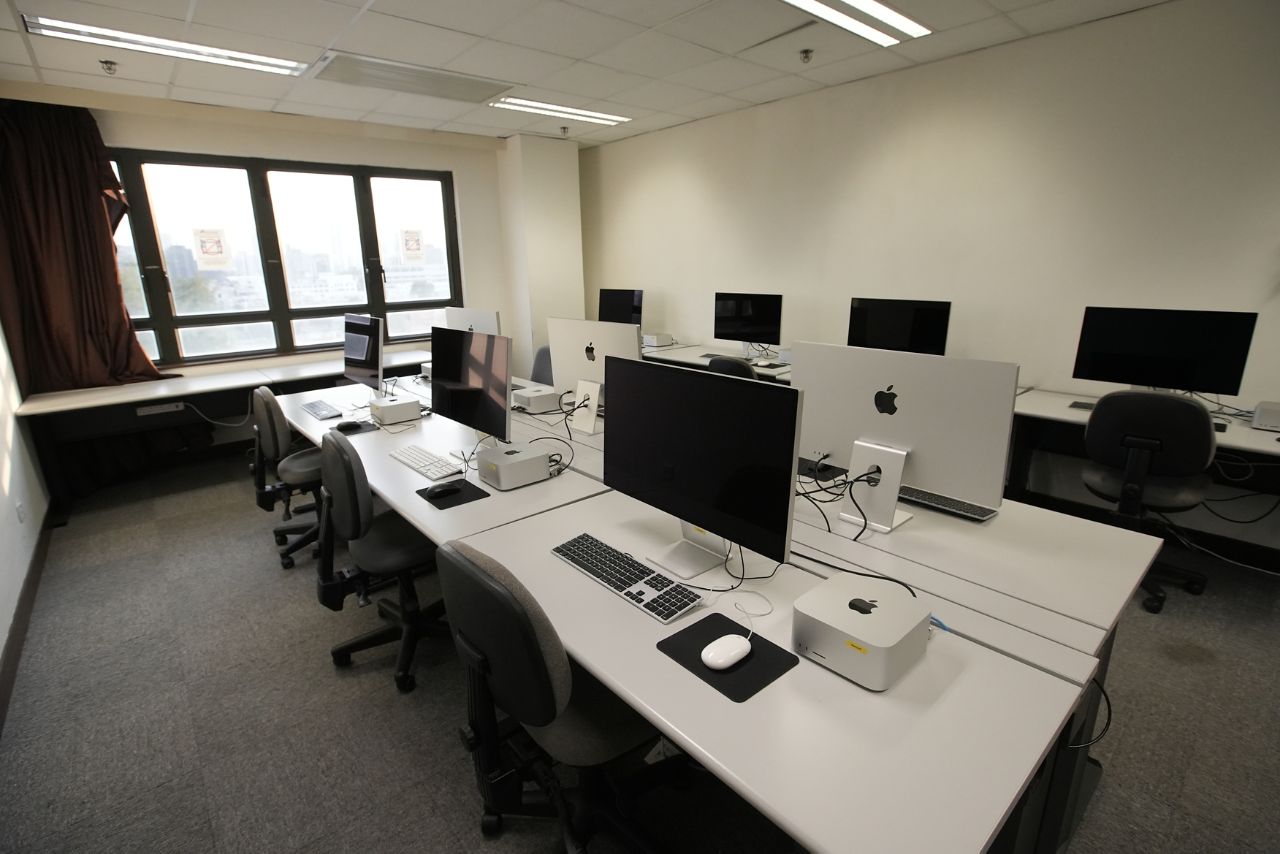
The MFA Programme offers students an unparalleled hands-on learning experience by providing access to some of the most advanced equipment and facilities in the world—including cutting-edge virtual production and virtual reality studios, a professional-grade Motion Capture system, AI workstations, and BOLT and G-Ka Motion Control systems. This high-tech infrastructure ensures students are fully equipped to engage with the most contemporary innovations in cinematic arts while mastering traditional practices.
Students begin with a comprehensive foundation in film, television, and digital media during the first year, acquiring broad practical skills and a critical understanding of current theory and criticism. The curriculum is designed to allow each student to specialize in one form of media while attaining a broader appreciation of others. In the second, third, and fourth semesters, a diverse selection of elective courses empowers students to tailor their professional training—ranging from scriptwriting to production in film, TV, and digital media—alongside robust artistic development. The second year is devoted to advanced coursework and support for the thesis project, giving students the resources and mentorship necessary to fully realize their creative vision using industry-leading tools and technologies.
/Virtual%20Production%20Studio.png)
/XR%20Studio.png)
/XR%20Studio_2.png)


Requirement
To qualify for admission, applicants should meet the following requirements:
- Hold a Bachelor degree or equivalent from a recognized university or comparable institution;
- Show evidence of academic aptitude and interest in creative activities;
- Obtain a TOEFL score of at least 79 (internet-based)*, or IELTS result of at least Level 6.5*, or a score of 450 in the College English Test Band 6 (CET-6) of Mainland China*
*Remarks:
- This requirement is only applicable to students originating from countries/institutions where English is not the major medium of instruction. e.g. Mainland China and Taiwan
- Students with relevant talents but a lower English standard (i.e., an IELTS score of 6.0 or equivalent) may be considered for admission on the condition that the students must complete an English enhancement course arranged by the programme.
- Short-listed applicants may attend an interview with faculty of the Academy of Film.
On-line Application Procedure
| Tuition Fee | HK$436,000 per programme for 48 units (from 2026/27 Intake) |
| Application Fee | HK$450 for applicants (non-refundable) |
| Application Method | Only on-line applications will be accepted.
|
Schedule
| Application Period | We operate a rolling admissions policy. The application window opens in early October (late November for the 2026/27 intake) and closes in early June for non-local applicants and in late July for local applicants. Applying early is advisable, as the window may close once quotas are filled. |
| Interview | Interviews normally take place throughout the application period. |
| Application Results | Students should check their updated application status through the online application system. Applicants with admission offer will be notified via email. |
| Others | Other important dates (e.g., the first and last days of classes, exam periods, holidays) can be found in the Academic Calendar, which will be distributed to you at registration. |
* Hong Kong Future Talents Scholarship Scheme for Advanced Studies (FTSS) for local students
(applicable for 2026-27 intake)
Under the FTSS, awardees are required to pay a minimum tuition fee being the prevailing rate of the UGC-funded full-time degree programmes, and the differences will be subsidised by the scholarship subject to a cap of HK$100,000 for each student for the whole TPg programme, regardless of the actual study period of the programme and mode of study.
Suitable candidates newly admitted to the MFA Programme will be invited to apply for the Scholarship. Quota is limited.
The selection of awardees will take into account their readiness and ability to contribute significantly to the development of Hong Kong after graduation from the TPg programme.
Disclaimer: All information of or relating to external bodies are subject to their current policies, practices and requirements, and for which the University has no duty to ascertain the related suitability or correctness. You are advised to check and verify the accuracy of the information given here for these bodies directly with them. The University does not represent or warrant the accuracy and fullness of such information. You acknowledge and voluntarily accept that the University or any of its personnel shall not be held liable for any inaccuracies, inconsistencies or omissions found therein.
| Sherring Ng Positive Short Film Scholarship | |
| Descriptions/Eligibility | Final Year full-time students of Master of Fine Arts in Film, Television and Digital Media and Master of Fine Arts in Cinematic Arts and Creative Practice, who demonstrate excellence in Thesis Project performance with positive messages, exclusive of animations, documentaries, and screenwriting. |
| No. of Recipients | 1 each year |
| Amount per Recipient | HK$15,000 |
| Application Method | By department nomination |
Course Performance-Based Scholarships
| First Take Production Scholarship (1st Semester) | |
| Amount per Recipient / No. of Recipients: | HK$10,000 / 4 |
| Description and Eligibility Criteria: | Year 1 students who achieved the best results in CTV7101 Introduction to Film Production, with a grade of A- or higher. |
| Application Method: | By programme nomination |
| Teaching Assistant Duty: | Each recipient must complete up to 100 hours of departmental work over the next two semesters (50 hours per semester) |
| First Page Scriptwriting Scholarship (1st Semester) | |
| Amount per Recipient / No. of Recipients: | HK$5,000 / 4 |
| Description and Eligibility Criteria: | Year 1 students who achieved the best results in CTV7131 Script Writing and Pre-production Planning with AI, with a grade of A- or higher. |
| Application Method: | By programme nomination |
| Teaching Assistant Duty: | Each recipient must complete up to 100 hours of departmental work over the next two semesters (50 hours per semester) |
| Visual Storytelling (Cinematography) Scholarship (2nd Semester) | |
| Amount per Recipient / No. of Recipients: | HK$10,000 / 4 |
| Description and Eligibility Criteria: | Year 1 students who achieved the best results in CTV7370 Cinematography for Directors, with a grade of A- or higher. |
| Application Method: | By programme nomination |
| Teaching Assistant Duty: | Each recipient must complete up to 100 hours of departmental work over the next two semesters (50 hours per semester) |
| Second Reel Film Production Scholarship (2nd Semester) | |
| Amount per Recipient / No. of Recipients: | HK$10,000 / 2 |
| Description and Eligibility Criteria: | Year 1 students who achieved the best results in CTV7150 Dramatic Film/TV Production, with a grade of A- or higher. |
| Application Method: | By programme nomination |
| Teaching Assistant Duty: | Each recipient must complete up to 100 hours of departmental work over the next two semesters (50 hours per semester) |
| Real Stories Production Scholarship (2nd Semester) | |
| Amount per Recipient / No. of Recipients: | HK$10,000 / 2 |
| Description and Eligibility Criteria: | Year 1 students who achieved the best results in CTV7160 Documentary Film/TV Production, with a grade of A- or higher. |
| Application Method: | By programme nomination |
| Teaching Assistant Duty: | Each recipient must complete up to 100 hours of departmental work over the next two semesters (50 hours per semester) |
| Second Draft Screenwriting Scholarship (2nd Semester) | |
| Amount per Recipient / No. of Recipients: | HK$5,000 / 2 |
| Description and Eligibility Criteria: | Year 1 students who achieved the best results in CTV7110 Advanced Script Writing, with a grade of A- or higher. |
| Application Method: | By programme nomination |
| Teaching Assistant Duty: | Each recipient must complete up to 100 hours of departmental work over the next two semesters (50 hours per semester) |
| Visual Expression Scholarship (3rd Semester) | |
| Amount per Recipient / No. of Recipients: | HK$10,000 / 4 |
| Description and Eligibility Criteria: | Year 2 students who achieved the best results in CTV7201 Visual Expression, with a grade of A- or higher. |
| Application Method: | By programme nomination |
| Teaching Assistant Duty: | Each recipient must complete up to 50 hours of departmental work in the next semester. |
Academic Performance Scholarship
| Academic Excellence Scholarship – Semester 1 (1st Semester) | |
| Amount per Recipient / No. of Recipients: | HK$10,000 / 1 |
| Description and Eligibility Criteria: | Awarded to Year 1 student with the highest semester GPA in Semester 1 of the programme. |
| Application Method: | By programme nomination |
| Teaching Assistant Duty: | Each recipient must complete up to 100 hours of departmental work over the next two semesters (50 hours per semester). |
| Academic Excellence Scholarship – Semester 2 (2nd Semester) | |
| Amount per Recipient / No. of Recipients: | HK$10,000 / 1 |
| Description and Eligibility Criteria: | Awarded to Year 1 student with the highest semester GPA in Semester 2 of the programme. |
| Application Method: | By programme nomination |
| Teaching Assistant Duty: | Each recipient must complete up to 100 hours of departmental work over the next two semesters (50 hours per semester). |
| Academic Excellence Scholarship – Semester 3 (3rd Semester) | |
| Amount per Recipient / No. of Recipients: | HK$15,000 / 1 |
| Description and Eligibility Criteria: | Awarded to Year 2 student with the highest semester GPA in Semester 3 of the programme. |
| Application Method: | By programme nomination |
| Teaching Assistant Duty: | Each recipient must complete up to 50 hours of departmental work in the next semester. |
Remarks:
- The Programme may adjust the number of awards and/or the amount of each award, provided the total remains within the allocated budget. This may be necessary, for example, if the number of students with identical qualifying scores exceeds the number of awards available.
- The Programme may decline offering some or all awards if there are insufficient qualified students or due to unforeseen financial constraints.
- No student should receive more than i) two course performance-based scholarships or ii) two course performance-based scholarships and one academic performance scholarship in the same academic year. Should there be such cases, the award should be offered to the next highest-ranked eligible student in that category.
- Attaining the minimum grade requirements does not necessarily guarantee an award.
MFA Top Thesis Awards
| 1) | Top Thesis Award – Narrative Film Production |
Awarded to thesis projects presented as narrative films Prize:
| |
| 2) | Top Thesis Award – Documentary Film Production |
Awarded to thesis projects presented as documentary films Prize:
| |
| 3) | Top Thesis Award –Film or TV Scriptwriting |
Awarded to thesis projects presented as scripts Prize:
|
Application Methods: By programme nomination
Selection is based on consensus among the external assessors in the final thesis assessment and the category’s supervisor.
- Only projects with a grade of B+ or higher are eligible for nomination
- Gold Prizes may be awarded only to projects with a grade of A- or higher
- Meeting the minimum grade requirements does not guarantee an award
Remarks:
- The Programme may adjust the number of prizes and/or the amount of each award, provided the total remains within the allocated budget. This may be necessary, for example, if the number of students with identical qualifying scores exceeds the number of prizes available.
- The Programme may decline offering some or all awards if there are insufficient qualified students or due to unforeseen financial constraints.